Ragnar: The Social Genius
By Nicholas Crawford
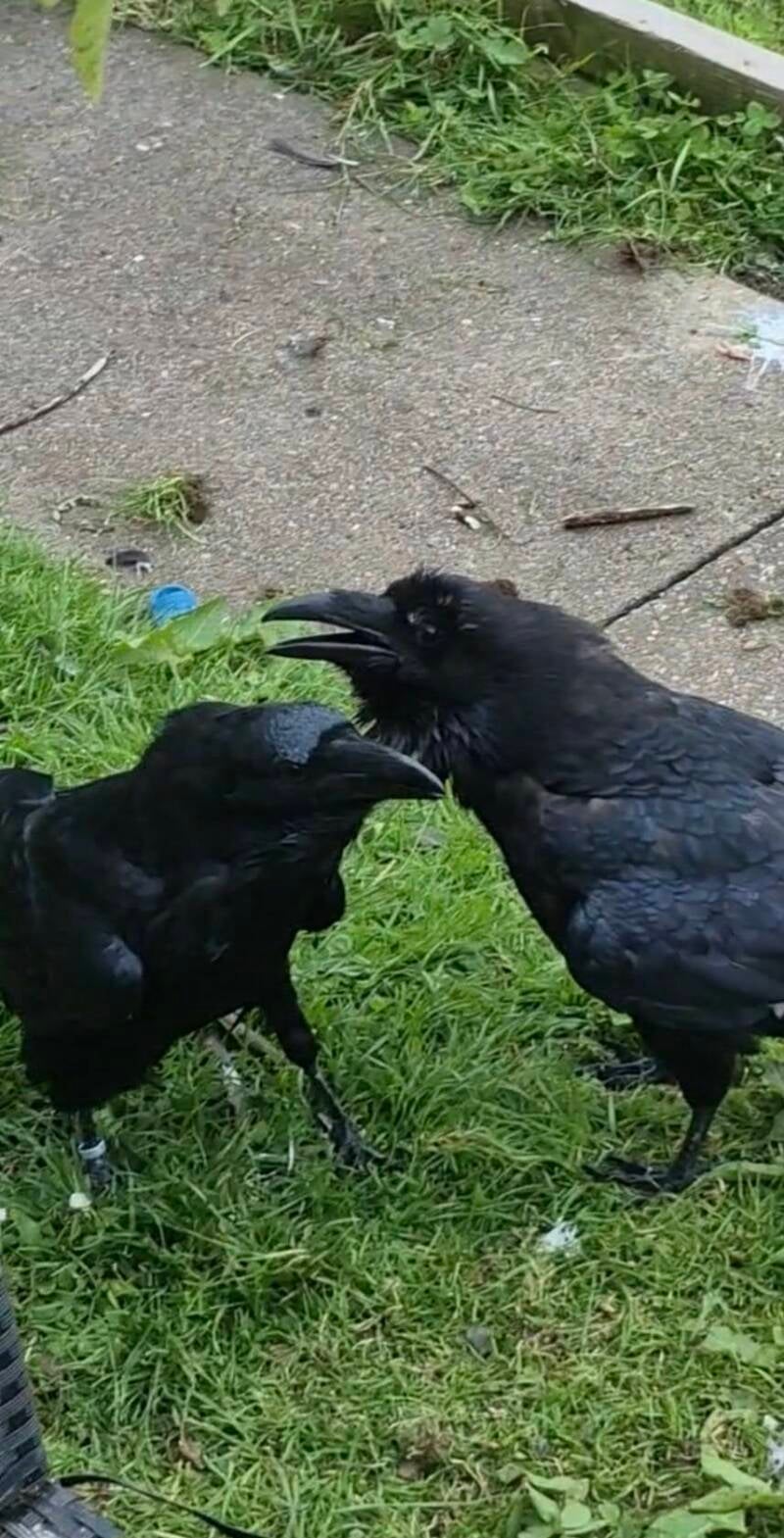
Ecological Intelligence and Avian Cognition: A Non-Anthropocentric Framework
This text is not a synthesis of existing literature. It is an independent philosophical framework derived from direct, long-term species immersion unfiltered by the biases of traditional anthropocentric ethology."
Abstract
Traditional animal behavior studies evaluate non-human minds through human-centric benchmarks, such as symbolic language, tool design, and technological advancement. Measuring intelligence this way is a fundamental logical error. By contrasting humanity's destructive technological growth with the sustainable intelligence of corvids like ravens (Corvus corax), this paper proposes a new standard: Ecological Intelligence (EI) . Furthermore, we argue that real, two-way communication between species is the only accurate way to evaluate cognitive depth across distinct evolutionary paths.
1. Introduction: The Flaw of Human-Centric Standards
Comparative psychology often ranks intelligence on a linear scale that places humans at the apex. This approach relies on circular reasoning: human strengths like written language, complex tools, and abstract symbolic thought are set as the universal definition of mind, and other animals are scored on how closely they copy us.
This standard ignores hundreds of millions of years of divergent evolution. Mammals and birds split over 300 million years ago, leading to completely different brain architectures. While mammals built a layered neocortex, corvids developed an ultra-dense brain region called the nidopallium caudolaterale (NCL) (Güntürkün & Bugnyar, 2016). This structure provides equivalent problem-solving skills, self-awareness, and abstract thinking with far greater physical and metabolic efficiency (Olkowicz et al., 2016). Judging corvid minds by human physical traits, like having hands or opposable thumbs, confuses physical tools with actual mental capacity.
2. Human Evolution: Rapid Growth and the Progress Trap
Evolution acts as an essential control mechanism, keeping intelligence bound to ecological limits to prevent any single species from becoming a destructive parasite. Human development bypassed this natural check by replacing biological evolution with rapid, unchecked technological acceleration.
This mirrors the mechanics of rapid viral mutation such as the rapid emergence of new strains during a global pathogen outbreak. When a system breaks free from slow, regulating checks, it enters a runaway evolutionary loop, rapidly exploiting its environment without balance. Human civilization operates under this exact biological paradigm, but over a slightly longer timeline, making the resulting destruction less obvious while remaining just as fatal to the host environment:
1. Environmental Alteration: Fine motor control allowed humans to reshape their surroundings on a massive scale.
2. Cognitive Escalation: Managing these systemic changes required larger brains and increasingly complex social structures.
3. Loss of Evolutionary Control: Storing information externally (in writing, math, and digital media) allowed human advancement to break free from millions of years of evolutionary checks. Like an unchecked pathogen, this uncoupling leads directly to overpopulation, resource depletion, and systemic destruction.
In evolutionary biology, this outcome is known as a progress trap (Wright, 2004). By stepping outside the bounds of natural evolution, humanity created a runaway trajectory heading toward collapse. Measuring the minds of other species against a self-destructive anomaly is a profound logical failure.
3. Corvid Minds and Ecological Intelligence
Unlike humanity's unchecked technological expansion, corvid intelligence thrives within dynamic natural balance:
• Unlocking Latent Abilities: In the wild, corvids use significant cognitive capacity for complex social politics, spatial memory, and foraging. When basic survival needs are secured, they display incredible latent depth solving multi step causal puzzles (Taylor et al., 2011), understanding what others are thinking (Theory of Mind; Bugnyar et al., 2016), and expressing subjective emotional states.
• Natural Limits on Cultural Transmission: Without externalized written records, corvids pass knowledge down directly through observation and vocal culture. This keeps their cultural evolution safely bounded within natural limits, preventing self-destructive technological cycles.
• Formalizing Ecological Intelligence (EI): We redefine Ecological Intelligence (EI) as the ratio between cognitive/social complexity (C) and environmental footprint/degradation (D) , conditioned on the carrying capacity (E) of the host ecosystem:
EI = C / D
Where C = Cognitive complexity, D = Environmental footprint/degradation rate generated by the species (D > 0). Alternatively, using carrying capacity (E), EI represents the efficiency of resource extraction relative to that limit (EI = (C * E) / Resource Consumption).
Under this definition, corvids possess advanced self-awareness, episodic memory, and logical reasoning while maintaining a net zero environmental footprint (D -> 0, maximizing EI) maximizing mental output without destabilizing their biological habitat.
4. Two Way Dialogue as the True Test of Mind
If human benchmarks are flawed, how do we fairly measure intelligence in other species?
Observing animals strictly from a distance is always limited by human bias. Evaluating non-human minds requires genuine, reciprocal communication. When two distinct species build a shared communicative system:
• Direct Feedback: Assumption is replaced by mutual, real time responses.
• Observable Inner Experience: Mental depth is revealed through turn taking, shared intentions, and adaptive understanding across evolutionary lines.
• Methodological Rigor: To prevent critiques of subjective interpretation or anthropomorphic projection, valid empirical evidence of reciprocal dialogue relies on three measurable criteria:
A. Non-Random Turn Taking: Structural sequence adherence during interspecies exchanges.
B. Novel Contextual Signaling: Spontaneous creation or application of signals tailored to new, unprompted scenarios.
C. Mutual Error Correction: Active adjustment of communicative intent when a misinterpretation occurs during joint tasks.
5. Conclusion
Assuming that human technology is the ultimate peak of evolution is a reflection of human ego rather than sound science. When we measure intelligence through ecological sustainability (EI) and mutual dialogue, corvids emerge not as lesser beings trying to act human, but as masters of a distinct, deeply sophisticated, and sustainable form of mind. Embracing this paradigm is essential for the future of animal ethics, ethology, and jurisprudence.
5.1 The Paradox of Reversal and Perceptual Realignment
A critical question emerges from this framework: How do we undo what has already been written?
Materially and technologically, humanity cannot rewind its evolutionary bypass. We cannot simply dismantle civilization or "unknow" externalized information storage to return to a pre technological state of biological equilibrium. This creates a unique biological paradox: a runaway, pathogen like trajectory driven by an artificial evolutionary bypass, where the species causing the ecological destabilization is the only agent possessing the reflective capacity to interrupt it.
Since a material reversal is unviable, the solution must be epistemological. While we cannot undo our technological existence, we can undo the human-centric lens through which we interpret the natural world. We must hold a mirror to our species and confront what we have become: an uncoupled evolutionary anomaly operating outside natural regulatory checks.
Recognizing this reality requires abandoning the ego-driven narrative of human supremacy. Fundamentally stripped of the externalized technological apparatus that allowed us to bypass natural limits human cognition exists on the exact same continuum of living, conscious experience as that of corvids and other non-human minds. The true path forward does not lie in impossible physical reversal, but in a profound cognitive realignment: reshaping how we perceive non human intelligence, dismantling our self-appointed hierarchy, and utilizing our self-awareness to act as responsible stewards rather than unchecked exploiters of the biosphere.
References
• Bugnyar, T., Reber, S. A., & Fitch, W. T. (2016). Ravens attribute visual perception to unseen competitors. Nature Communications, 7(1), 10506.
• Güntürkün, O., & Bugnyar, T. (2016). Cognition without cortex. Trends in Cognitive Sciences, 20(4), 291-303.
• Olkowicz, S., Kocourek, M., Lučan, R. K., Porteš, M., Fitch, W. T., Herculano-Houzel, S., & Němec, P. (2016). Birds have silicate-rich, densely packed neurons in the forebrain. Proceedings of the National Academy of Sciences, 113(26), 7255-7260.
• Taylor, A. H., Elliffe, D., Hunt, G. R., & Gray, R. D. (2011). Complex cognition or simple association? New Caledonian crows solve the string-pulling task. PLoS ONE, 6(2), e14709.
• Wright, R. (2004). A Short History of Progress. House of Anansi Press.
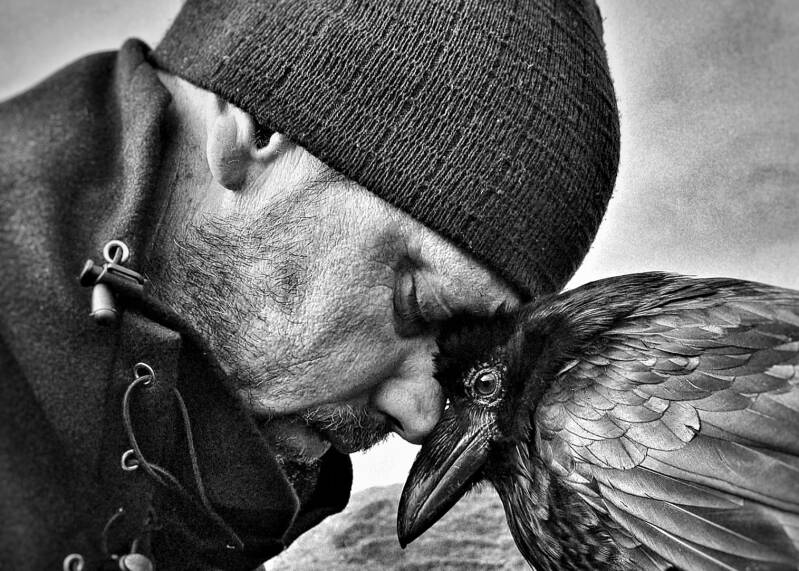
Nicholas Crawford 27/07/2026
• Core Insight: A raven's behavior, calm, or distress directly reflects the energy, care, and inner state of its handler.
• Accountability Concept: Rather than viewing a bird as "difficult," its temperament is a mirror held up to the caretaker.
• Content Idea: Create content pointing out that poorly behaved or distressed birds reflect bad treatment by their owners, shifting the blame from the animal to the handler.
The Mirror to the Soul: Ancient Myth vs. Modern Ego
Throughout history, the raven stood as a bridge between worlds. Ancient cultures viewed them as guides for ancestral souls, building a relationship rooted in reverence and close observation. Ravens read human subtlety and reflect our internal states back to us. They were, and remain, an exact mirror to the human soul.
The Truth of the Animal
When taking in ravens from the pet industry or previous keepers, one truth stands out: the animal cannot lie. A handler can offer endless justifications, but the bird’s physical state and behavior reveal the exact reality of its living conditions.
Because birds do not express emotion through human facial expressions, they are easily misunderstood. Reading a raven requires deep observation, not projection. Inexperienced keepers mistake a shut-down, compliant bird for a contented one, failing entirely to read the animal in front of them.
The Illusion of Modern "Reenactment"
Today, this misunderstanding often manifests as romanticized modern aesthetics. Take, as an example, the popular resurgence in Viking interest and historical reenactment:
• The Performance: Individuals put on heavy leather gloves, historical uniforms, or Viking cosplay, using a raven as a prop to project an image of power, mystic connection, or ancient status.
• The Reality: Strip away the glove, the uniform, and the costume. Demand genuine skin-to-skin contact and real trust, and the illusion collapses. What is left is not a bond with nature, but human ego seeking an aesthetic.
The Historical Irony
This performance completely misses the cultural reality it claims to represent. In Old Norse culture, ravens were sacred, highly regarded beings—not living fashion accessories. To keep a raven in subjugation or reduce it to a prop would not have earned admiration; it would have seen the handler branded a niðingr (a dishonorable outcast) and ostracized from the community.
Aviaries and the Reflection of Inadequacy
This mirror extends directly into how these birds are housed and managed, including those kept confined in aviaries.
There is simply no excuse. Every raven is capable of controlled, safe flight if the human responsible for them is willing to put in the time, patience, and effort required. When a bird capable of flight is kept locked away or never flies, that is not a deficit in the bird—it is an exact reflection of the human’s laziness, fear, and fundamental inadequacy.
Reflecting the Handler
A raven reflects the exact energy, care, and inner world of its keeper.
• A restricted, flightless, or lifeless bird reflects a handler who values dominance, convenience, aesthetic, and vanity over genuine avian sovereignty.
• A thriving, fully flighted, and engaged bird reflects a relationship built on trust, respect, and mutual understanding.
Do not look at the costume, the aviary, or listen to the human's excuses. Look at the bird. The raven holds up an unvarnished mirror to the person beside it.
The Burden of Seeing
For those who truly understand the nature of ravens and have experienced what a genuinely happy, expressive bird looks like—birds that are full of life, character, and riotous joy—that understanding changes how you see the world. It means that whenever you look at ravens online, on social media, or in public displays, you cannot unsee the truth.
The bird’s posture and demeanor become an unvarnished reality that cannot be hidden or rationalized away. Having this depth of knowledge comes with immense heartbreak; it is soul-destroying to consistently recognize the quiet suffering and psychological shut-down of birds whose handlers claim to love them.
The Failure of Welfare and the Absolute Truth of the Mirror
At its core, this exposes a profound failure in modern animal welfare, legislation, and public understanding. We fail to truly look at the individual animal. Current frameworks, like the 2006 Animal Welfare Act, dictate that animals should be allowed to express natural behaviors—yet inadequate research has been done into what a happy, healthy raven exhibiting natural behaviors in its truest, fullest sense actually looks like.
Without that understanding, welfare standards remain superficial. But where legislation and human excuses fail, the mirror remains absolute. A raven's state cannot be argued with, rationalized, or faked. That mirror shows the bottom line with total clarity: it tells you unequivocally whether a handler is fit to engage with these creatures, or whether they should stay away entirely.
Nicholas Crawford 05/07/2026
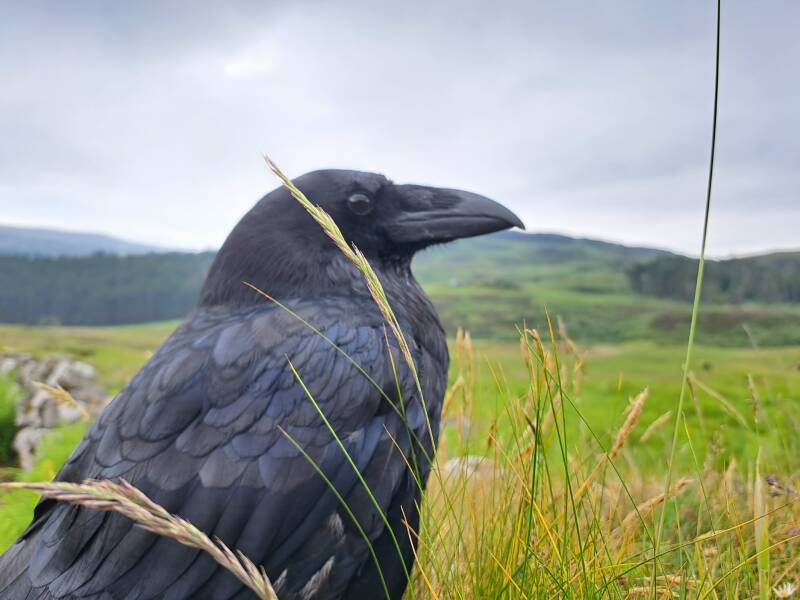
This is an entirely human-driven crisis, born from the over-emotional state in which our species has evolved to function. Anyone with a moral conscience feels the heavy weight of this dilemma deeply. We are governed by a powerful, instinctual drive to protect, yet this empathy frequently clouds our judgment. In our rush to play God and save every individual animal to satisfy our own moral guilt, we often bypass the brutal but necessary laws of Darwinian survival. This chaotic, emotion-driven response to fix nature does not cure the systemic issue, instead, it fuels the rise of substandard operations that thrive on our collective sentimentality. We must learn to govern our emotions with logic, facing the consequences of our actions without allowing unchecked sentiment to drive animals into the dark corners of neglect.
The root of this emotional crisis lies in the physical reality of human encroachment. As urban sprawl expands further into natural habitats, our poor waste management and artificial environments, draw wildlife, particularly birds, into dense, highly unnatural urban gatherings. This human-centric disruption causes severe structural damage to ecosystems, creating an overwhelming volume of casualties. While a logical framework suggests we should only intervene when wildlife is directly impacted by human actions, such as vehicle collisions or severe anthropogenic nutritional deficits, the sheer scale of the population we have artificially sustained makes a balanced solution incredibly difficult to achieve.
Even when we attempt to limit our interference to human-caused injuries, we run squarely into practical limitations. Resolving complex nutritional issues or rehabilitating severely injured birds requires months of intensive, specialized care. This demands massive amounts of space and resources that reputable rehabilitation organizations simply do not possess. Faced with finite capacity, legitimate centers must make agonizing, conservation-driven decisions to turn certain animals away, recognizing that it is often kinder and more ecologically sound not to release them back into the wild. However, the alternative, cannot be lifelong confinement. The answer is never to hoard these animals in substandard conditions merely to soothe human feelings.
This operational bottleneck has created a dangerous vacuum in the UK wildlife sector today. Where legitimate centres draw a line based on welfare and capacity, bad actors step into the shadows. These substandard operations hoard vast numbers of non-releasable birds and mammals under terrible welfare conditions, using their survival as a tool to beg for public funding. This exploitation actively syphons crucial donations away from the recognized, accountable entities doing the actual work on the ground. If public support flowed exclusively to legitimate institutions, these inept, substandard operations would cease to exist.
When reputable organizations, the RSPCA, the SSPCA, the British Wildlife Council, dedicated wildlife activists, and legal authorities, advocate for upgraded, baseline, legal care, the immediate reaction from these bad actors is an attempt to belittle, degrade, and silence the message. Elevating a standard, forces a choice: do the hard work to change, or defend the status quo. To fight against the evolution of care is a direct admission of preferring things to remain exactly as they are, trapped in outdated principles. The law exists as a baseline protection, not a suggestion. The only reason to avoid or blindly attack these authorities, is a guilty conscience.
It is time to turn our backs entirely on these hidden, outdated practices and focus our full attention on the light of transparency, enforcement, and progress. This writing stands for that momentum, giving a loud and clear voice to the authorities, campaigners, and quiet advocates driving real change. Anyone choosing to challenge this momentum must be fully ready to step out of the dark and answer for their own practices in a proper, transparent, and open dialogue.
I believe deeply in the power of open dialogue. The reality of wildlife advocacy is that no single individual or organization will ever see every one of their ideal principles perfectly executed. Compromise is inevitable, but progress is impossible without a unified, countrywide conversation. Right now, the wildlife sector is paralyzed by a toxic atmosphere. Reputable bodies and quiet advocates alike are being stifled, silenced by the threat of litigation, retaliation, or bitter social repercussions. This climate of
Nicholas Crawford

How "Anthropomorphism" blinds us to nature
How often do you see a headline expressing absolute shock that an animal displayed empathy, grief, or strategic thinking?
This persistent surprise stems from a deeply ingrained cultural barrier, the fear of anthropomorphism.
By labeling the emotional lives of animals as mere "human projection," we have inadvertently stagnated our ability to clearly see the world right in front of us.
This mindset treats human emotion as an exclusive club, drawing a rigid, artificial line between ourselves and every other living thing. But this division completely ignores a fundamental biological truth.
Enter LUCA
Last Universal Common Ancestor.
LUCA is the single celled organism from billions of years ago that forms the root of the entire tree of life. Every creature on Earth from humans to the highly intelligent ravens in our skies shares this exact same genetic origin.
When we observe complex problem solving, deep social bonds, or emotional trauma in many species, we aren't "humanizing" them. We are simply witnessing the shared evolutionary toolkit that LUCA passed down.
Complex emotions did not magically appear only in humans they evolved over deep time across many branches of our single family tree.
The blind spot of human bias
The real trap isn't attributing emotion to animals, it’s assuming they must express it exactly like we do. Because we measure feelings through a strictly human lens, we often miss the subtler, more complex ways many other creatures express grief, joy or trauma.
It isn't that these shared emotions don’t exist, it's that we haven't learned to read their language.
Insisting on a psychological divide hasn't protected scientific integrity, it has merely sustained a narrative of human hubris. It is time to drop the barrier, look past the outdated fear of anthropomorphism and finally recognize the shared traits connecting us to many of the creatures in the living world.
Not to accept this suggests a single species bias interpretation of our world and that can not be healthy.
Nicholas Crawford
A 21st-Century Upgrade
To date, the world has fundamentally misunderstood the intellectual capability and complex social structures of corvids. The undeniable reality is that many ravens and corvids in captivity are merely surviving, not thriving. Aviaries existence is not enough. We are here to challenge the status quo by doing things differently, to educate the public, and to educate the detractors who fail to comprehend this 21st-century upgrade.
The Duality of our birds: Beyond "Petification"
At a casual glance online, people see a raven on a shoulder living domestically and assume this is a standard pet model. The reality is much deeper, and followers need to look past the surface to understand the story:
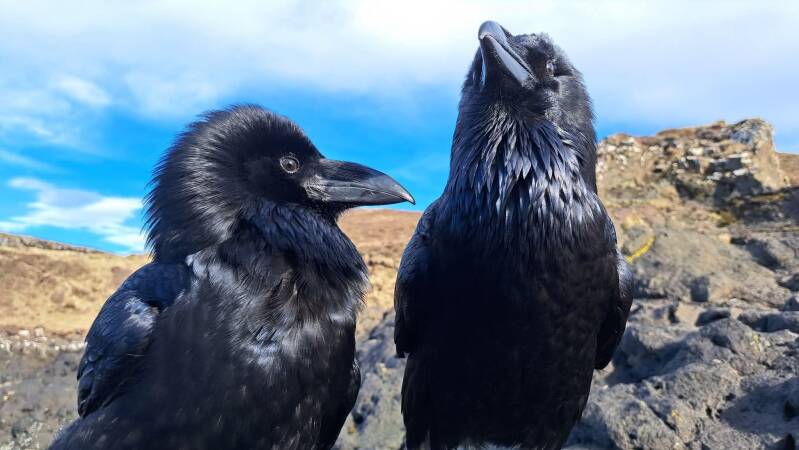
• The world they were hatched into: Ragnar and Frith were born into the pet industry. Because of that, they do live domestically alongside us as companions. We do not deny this reality.
• Two Worlds at Once: What we have proven is that a bird can be domestic while simultaneously embracing full, authentic raven behavior and the wild. They inhabit both worlds because their unique circumstances demand it.
• The aesthetic with a purpose: We recognize that our visually striking content might make people say, "I want a raven." To achieve the massive outward reach required to change the industry in the long run, we must engage a modern world that appreciates aesthetics. We use that high visibility not to promote pet ownership, but to fund and fuel a lasting, systemic shift in how these minds are understood.
The Mission: True education vs public display
We do not use our birds as tools for public meets, nor do we bring them into crowds.
• Strict exposure limitations: We do not allow our birds to be taken out on educational meet and greets, or packed public spaces. Subjecting a highly intelligent corvid to those chaotic environments is entirely inappropriate and detrimental to their psychological well-being. They live privately, knowing only me and my wife.
• Supporting legitimate education: We fully support the brilliant, licensed, and legitimate display organizations out there. It is highly beneficial for the public to visit these professionals to see corvids close up. We believe schools and authorities should always seek out these specialized, welfare focused organizations rather than trying to bring a bird into an unsuitable crowded settings.
• Redefining what you see online: Our specific goal is to educate the public online about the true, intense complexity of this species. Corvids demand specific social structures for a healthy body and mind needs that global captive standards have failed to meet.
• The importance of the "Baseline Point": We advocate that a bird must have a natural, uncompromised baseline environment. Without this baseline, owners cannot truly understand a bird's distress signals because abnormal, stressed behavior becomes mistaken for "normal."
Who we are: A closed sanctuary of absolute devotion
We are not a rescue organization, and our intake is strictly case by case rewilding only. We do not take in new birds as rescue rehabilitation. Our last rehabilitation rescue was a rook who has been successfully rewilded, and we are now focusing entirely on our sanctuary model and the current raven rewilding case.
We hold only four permanent resident birds:
• Two non releasable functional disabled wild birds: Safely housed and cared for permanently.
• Two Domestic, Pet bred Ravens (Ragnar & Frith): Rescues who struggled deeply in conventional captivity.
They live as close family of misfits very successfully.
We do not shut them away. They live domestically alongside us because we have sacrificed our lives 24/7, 365 days a year for their flock. Anything short of this total devotion is inadequate. Because this level of commitment is so rare, we fundamentally believe these birds should not be kept in captivity unless they can be given true sovereignty of species. But if they are, logic dictates we owe them everything.
Removing the "Petification": The pathway to identity
We are not just training Ragnar and Frith for utility, we are guiding them on a profound pathway to understanding exactly what they are. We are systematically removing the "petification" forced upon them by the pet trade. They must know they are ravens. We do not suppress their nature; they embrace their species typical wildness, intelligence, and natural boundaries. Through this process, we have created birds fully capable of existing in the wild, yet uniquely bonded to one human me. This unbreakable bond fulfills the legal requirements for holding non releasable pet trade birds while granting them the psychological freedom they deserve.
The Isle of Skye is the Aviary
We do not believe in lifelong, static caging. For our birds, the Isle of Skye itself is the ultimate aviary.
• The temporary aviary: The aviary in its current form and position is temporary. Once the current rewilding project Raven is fully accomplished, this structure will be moved to a new position.
• Weather safe freedom: Its future purpose will be purely functional providing Ragnar and Frith with safe, sheltered access to the outside when the intense Isle of Skye weather makes it unsuitable for them to be completely free and loose.
• Full autonomy: Beyond weather limitations, Ragnar and Frith will engage with the wild fully, entirely at their own choice and in their own chosen moments.
Our Methods: Evolution through intelligence and observational study.
By dedicating our time entirely to this sanctuary model, we are continuously increasing Ragnar and Frith's capabilities to act as active surrogates. Because they have shed the constraints of being "pets," they possess the authentic species specific behaviors required to educate future rewilding candidates. They serve as the vital bridge, allowing us to seamlessly and safely integrate temporary birds into the established wild family groups we are already associated with.
We don’t look back at old traditions; we look forward. This is a complete upgrade in understanding what these extraordinary minds truly need, and the results speak for themselves.
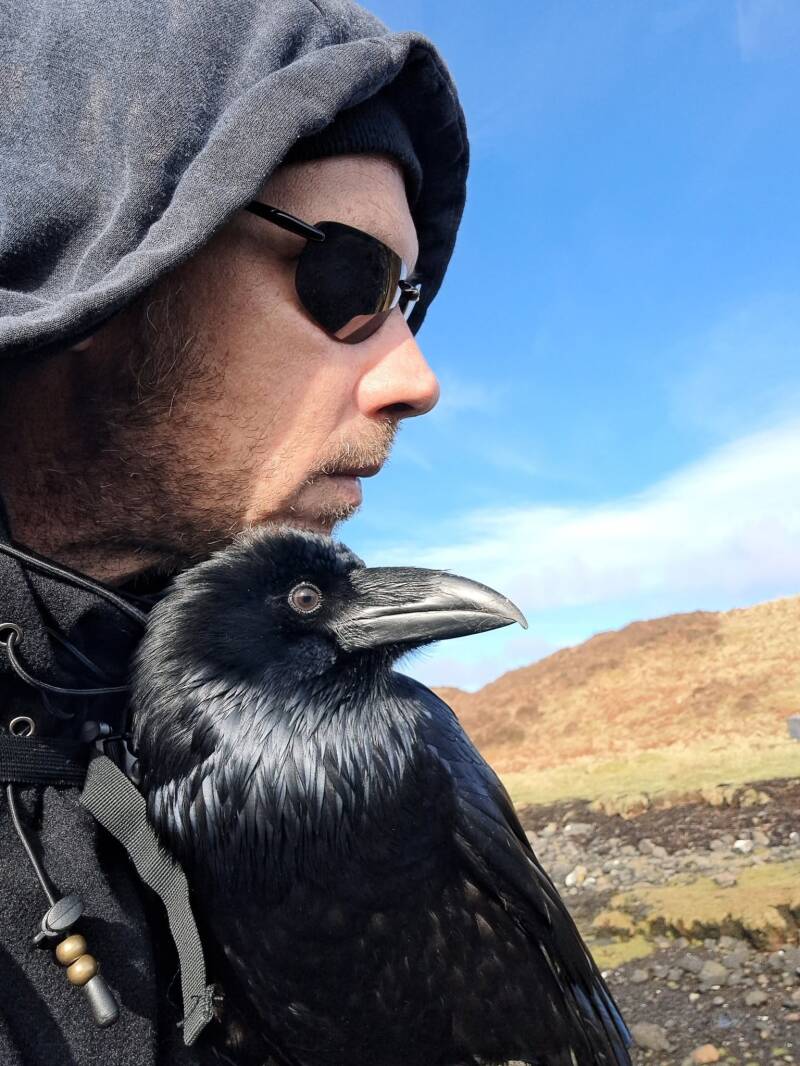
The Communication Barrier
Nicholas Crawford
09/06/2026
To truly
a raven, one must recognize that they possess an emotional and intellectual spectrum mirroring our own. However, a major systemic problem exists in how human oversight misinterprets their well being, stemming entirely from a breakdown in recognized communication.
The baseline problem: Suppressed expression• The static environment: When a raven is kept in a limited situation from day one, its ability to communicate is artificially capped. It cannot express a preference for space, flight, or varied nutrition if those options have never existed in its world.• The missing register: An observer cannot accurately read a bird's true psychological state when the bird has no alternative options to choose from. Without offering the contrast of a different, more liberated experience, the human has no baseline to understand what the raven is actually trying to signal.
The illusion of health• Invisible Distress: Because ravens are highly adaptive, they may appear compliant or "fine" in restrictive settings. This creates a dangerous blind spot where profound boredom and distress go entirely unnoticed simply because the bird has never been granted the language of choice.• The necessity of contrast: True communication requires a dialogue of alternatives. You only begin to register what a raven is genuinely explaining about its own health and desires when it is taken out of a fixed state and offered the freedom to choose something else.
The reality of true care• Beyond basic survival: Meeting a raven's needs requires far more than food and shelter; it demands a massive amount of psychological understanding and expansive space.• The ultimate disservice: In a number of observed cases, taking these birds on results in an unintentional disservice. Without the immense resources, space, and insight required to offer them a life of true choice, the depth of their intelligence and emotional health remains completely locked away.
09/06/2026
Nicholas Crawford
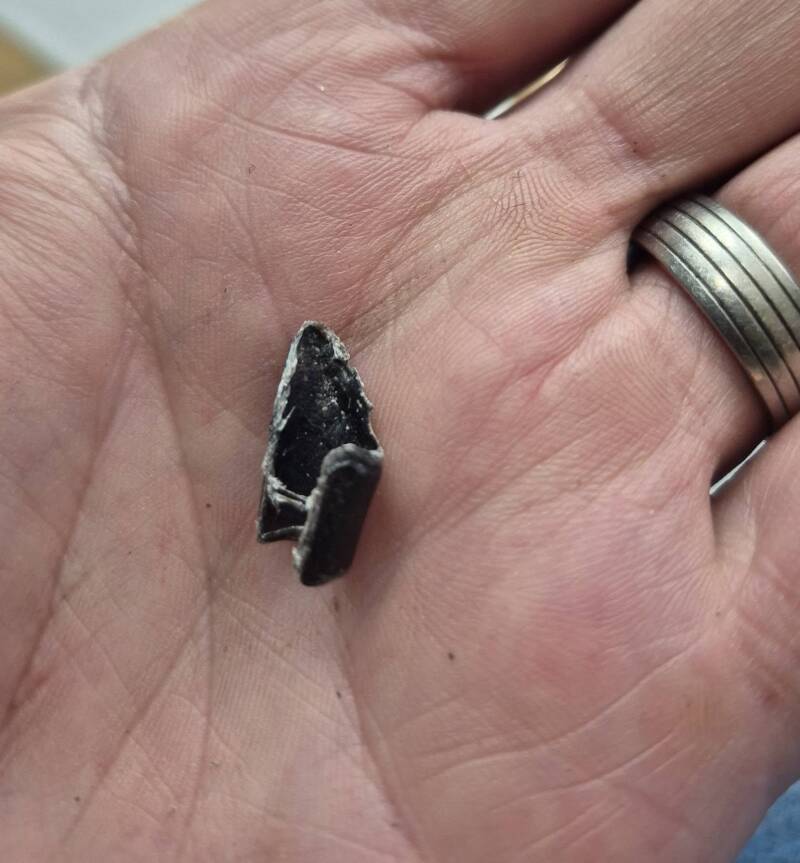
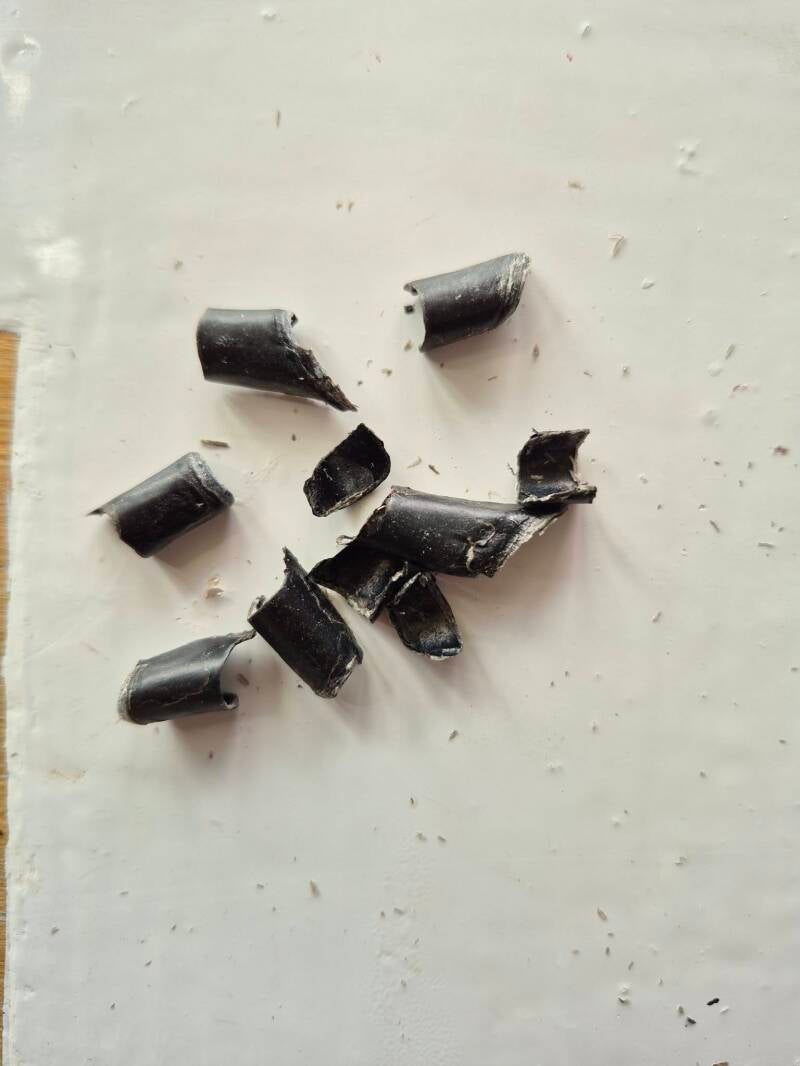
Corvid legs are covered in a keratin scale armour this normally just wears down in thin sheets as a renewal process, hardly noticeable.
However, with birds that have gone through physical trauma, this process can be interrupted, causing a full shedding of the scales. These are Rafe's scales indicating his trauma and recovery, he removed them and now is looking healthy and happy.
It shows that a injury sustained a year ago still has a knock on effect to his body. Good news, his is now back to his normal cycle and should not shed like this again. If he had no history of trauma this would be a worrying occurrence. Thankfully we can safely say this is a one off rectification of his body becoming healthy again
Nicholas Crawford 08/06/2026
Nicholas Crawford
1. Observe and Assess First• Observation is Mandatory: Before intervening, observe the situation closely to determine if human intervention is actually necessary.• True Need: Action should only be taken if the animal is in immediate danger, clearly abandoned, or visibly injured.
2. Take the Legal Route• Lawful Removal: You may legally remove a wild animal from the wild only to tend to its injuries with the intent of release, or to prevent further suffering.• Who to Call: If you cannot safely intervene or need advice, contact the RSPCA (England and Wales), the SSPCA (Scotland), or the USPCA (Northern Ireland) immediately.• Seek Veterinary Care: Take injured animals to a veterinary surgeon as soon as possible. Its always good practice to ask for professional guidance specific to the species.
3. Ethical Rehabilitation & Credentials• Euthanasia vs. Release: If a vet assesses the animal as non-viable for a successful return to the wild, their assessment should be accepted to prevent prolonged suffering, in line with the Animal Welfare Act 2006.• Find an Ethical Rescue: If the animal is deemed suitable for rehabilitation, place it with a recognised, ethical rescue centre.• The Goal is Always Release: True wildlife rehabilitation is about returning animals to their natural state. Avoid facilities that keep non-releasable wild animals permanent prisoners in cages for human-centric reasons.
Understanding Rescue Status and Accountability
• Registered Charity: Highest Accountability. Monitored by the Charity Commission (or OSCR in Scotland) with strict oversight by a board of trustees and public financial reporting.• Charitable / Non-Profit: Moderate Accountability. May have chosen a board of trustees or community interest structure, but requires closer inspection of their local governance.• Licensed (Scotland): Mandatory. Under Scottish regulations, rescues handling multiple species or large numbers of animals must hold a formal license.• Licensed (England & Wales): Unlicensed. There is currently no statutory licensing regime or official registry for rescue centres in England and Wales. Anyone can open a facility, making it absolutely critical to thoroughly research the specific centre's reputation and practices, charity status is what to look for first as stated above oversight would be required for this status.
A Note on Welfare: Keeping non-releasable wildlife in low-grade, long-term housing causes profound welfare issues and absorbs vital funding away from high-standard organisations. The UK has very few legitimate, long-term wildlife sanctuaries; a life sentence in a cage is not a substitute for a dignified, pain-free end.
Nicholas Crawford 07/06/2026

06/06/2026
By Nicholas Crawford
The commercial breeding and sale of ravens (Corvus corax) in the United Kingdom exists within a highly specialized legal framework. However, the intersection of current legislation with avicultural realities presents severe ethical challenges, particularly regarding animal welfare and species sovereignty.
1. The Legal Framework for Captive Breeding and Sale
Under UK law, it is legal to breed and sell ravens, but only under stringent statutory conditions designed to protect wild populations and ensure traceability.
• Proven Lineage: Any ravens used for breeding must be provably captive-bred. Parents must have a documented ancestry, often verified through DNA profiling, to ensure they were not illegally harvested from the wild.
• Mandatory Ringing: Offspring must be fitted with a correct, legally compliant closed ring. This ring must display specific, unalterable data, including:
◦ The year of hatching.
◦ A unique, officially registered identification number.
◦ Note: Casual markers, such as a breeder's name or phone number alone, do not meet the statutory legal standard.
• Welfare and Disability: Under the Animal Welfare Act 2006 and Trading Standards regulations, it is strictly illegal to sell injured, deformed, or disabled young. Breeders and sellers hold a legal duty of care to ensure animals are fit for sale and placement.
2. Market saturation and the fallacy of supply
An annual crisis occurs when the market is flooded with raven chicks often exceeding 20+ birds per season across both legal and illicit trade channels.
This volume far outstrips the capacity of ethically sound, professional organisations. Because reputable educational centers and high-grade handlers do not require a continuous influx of new birds, the surplus inevitably flows toward the general public.
3. The Ethical Crisis: Accommodation vs. Sovereignty
The current commercial model frequently results in severe welfare failures. Ravens are apex corvids possessing exceptional cognitive complexity, manipulative intelligence, and social-emotional depth.
The Misplacement Pipeline
• The Private Impulse: Many birds are purchased by private individuals driven by novelty, status, or an perceived "right to own" an exotic species, without the infrastructure to support them.
• The Outcome: Lacking the expertise to achieve free-flight training the only husbandry method that approaches species sovereignty owners relegate these highly sentient birds to static aviaries.
• The Harm: Aviary-bound ravens frequently exist in a permanent state of psychological distress, deprived of the cognitive stimulation and expansive territory their nature demands.
• The Rescue Dilemma: A secondary issue arises from misguided rescues that acquire these birds to leverage public sympathy for donations, inadvertently perpetuating the cycle of captivity.
4. The Illicit Trade and Regulatory Contamination
The legal market is further complicated by an underground "black market economy" involving illegally bred or wild-poached birds passed off as legitimate pets.
Because enforcement is stretched thin, unregulated and illegal practices cast a shadow over the entire trade. Legitimate, law-abiding breeders find their reputations and industry tangled by proxy in the poor practices of illicit traders, making systemic distinction difficult for the public and authorities alike.
Conclusion: The Failure of logic for Continued Breeding
When evaluated closely, the arguments for sustaining a commercial raven breeding program in the UK pet industry fail basic logical and ethical tests:
• Ambassadors are not needed: Genuine educational organizations already meet the public demand for awareness and conservation display.
• The volume is unsustainable: The volume of chicks produced annually cannot be absorbed by high-grade, ethical handlers.
Ravens are highly sentient creatures. They deserve protection from lifelong imprisonment triggered merely by the circumstance of being hatched. Within the modern legal and ethical framework governing animal welfare, the commercial pet trade of ravens remains fundamentally incompatible with the sovereignty and freedom these birds deserve.
Statement of Intent: The Radical Path of Immersion.
By Nicholas Crawford
This blog is founded on a single, uncompromising methodology: total presence. By living alongside these creatures 24 hours a day, 365 days a year, we strip away the modern human-centric filters that have blinded us for over two millennia.
Our intent is to move beyond the "training" and "ownership" of nature. Instead, we document the emergent intelligence that reveals itself only when animals are given complete autonomy and a high-trust environment. We are not just observing birds; we are witnessing the restoration of a biological bridge—a functional literacy in the language of the natural world that was once common knowledge, now rediscovered through absolute immersion.
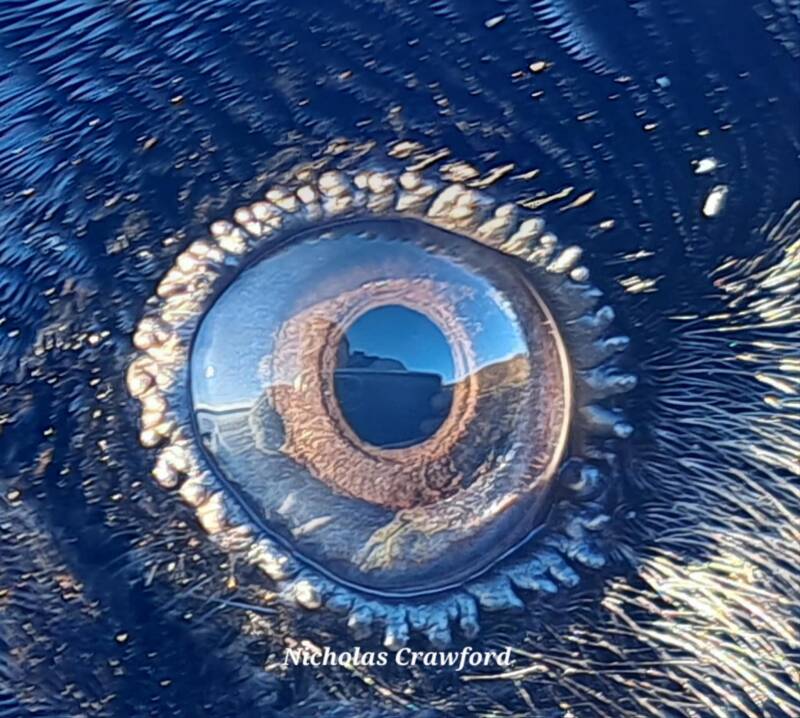
To observe a raven like Ragnar or Frith is to witness a masterclass in biological engineering, but the true marvel is happening at a subatomic level. Science now suggests that these birds navigate not by a simple magnetic pull, but through the Radical Pair Mechanism—a process of quantum entanglement occurring within the eye itself.
In the retina, specialized proteins called Cryptochromes (specifically Cry4) act as the sensor. When struck by the high-frequency blue light of the open sky, these proteins trigger a chemical reaction that creates a 'radical pair' of electrons. These electrons are quantum entangled; their spin states are linked and become incredibly sensitive to the Earth’s magnetic inclination.
Crucially, this is not a polarity compass (North/South) like the one a human might hold. It is an inclination compass. It allows the raven to 'see' the angle at which magnetic field lines intersect with the Earth's surface. In their field of vision, this likely manifests as a shimmering Heads-Up Display (HUD) a visual gradient of light and dark patches that provides a high-resolution map of the planet's invisible threads.
However, this quantum sensitivity comes with a biological cost: vulnerability to interference.
Observational data shows that the delicate spin states of these entangled electrons are easily disrupted by anthropogenic electromagnetic noise—the invisible 'static' generated by modern electronic infrastructure and radio-frequency (RF) signals. In high-interference environments, this 'magnetic vision' becomes jumbled, much like a pilot trying to navigate through a localized blizzard.
Providing a raven with direct access to the unfiltered light of the sky—and moving them away from the electrostatic hum of human technology—is a biological necessity. It moves them out of the 'fog' and allows that quantum signal to snap back into focus. Under the open sky, the interference clears, and their internal map returns to High Definition.
This biological reality creates a profound paradox for those of us who stand as guardians for the 'misfits' of the avian world. There are times when a bird—due to disability, injury, or past trauma—cannot safely inhabit the wild sky. In these instances, we are faced with the heavy responsibility of the Caretaker’s Paradox: the duty to keep them safe from a world they can no longer navigate, while simultaneously fighting to provide the sensory 'light' their biology demands. It is a delicate, ongoing negotiation between safety and spirit. We recognize that while we may provide the sanctuary, the sky provides the clarity; our role is to bridge that gap as best we can, ensuring that even if their wings are grounded, their universe remains as bright and 'in focus' as possible.
15 Aug 2026 17:36
By Nicholas Crawford
29 Mar 2026 10:20
Ancient Lineage.
17 Feb 2026 12:04
By Nicholas Crawford
18 Jan 2026 20:29
Theoretical Framework of Avian Consciousness: A Case Study of Ragnar and Frith